Good care is simple and consistent: clean water, appropriate feed, safe fencing, dry shelter, and routine health management. Species needs differ, but the fundamentals don’t.
What should I feed at home? We’ll tell you what your animal is eating currently and how to transition safely. As a general rule, plan on a gradual change over 7–14 days when switching hay, ration, or pasture access.
Do your animals live on pasture only? Most livestock do best with a practical balance of forage and a species-appropriate ration, especially during winter or when pasture quality is limited. When you inquire, we’ll give exact feeding notes for the animal(s) you’re considering.
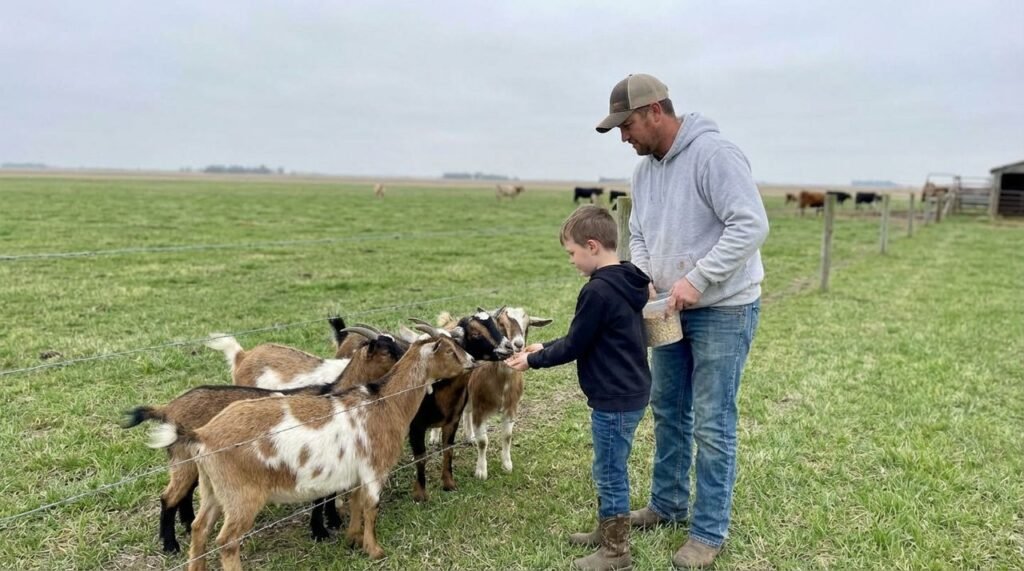
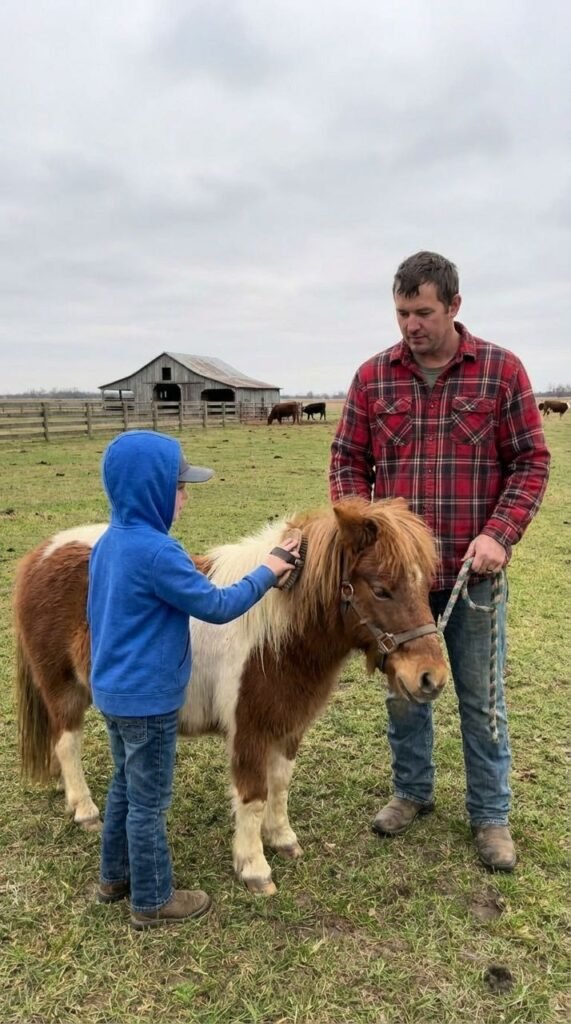
What shelter do I need? Dry bedding and protection from wind/moisture matter more than fancy structures. Goats must stay dry; pigs need a protected, bedded area; poultry need secure roosting space; calves and ponies need windbreaks and good footing.
What fencing works best? We’ll recommend based on species and your setup, but two rules apply across the board: strong corners/gates and no “weak spots.” Goats and pigs will find them.
Hoof care / farrier—what’s required? Goats need routine hoof trimming. Mini ponies need regular farrier care. For other livestock, good footing and dry bedding help prevent issues.
How do I reduce stress after bringing animals home? Have a clean, prepared pen ready before arrival. Keep the first 24–72 hours quiet, offer familiar feed, and avoid too many introductions at once.
Do I need a quarantine pen? It’s strongly recommended, especially if you already have animals. A short, separate transition pen helps you monitor appetite, manure, hydration, and behavior.